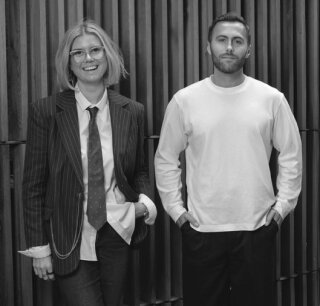
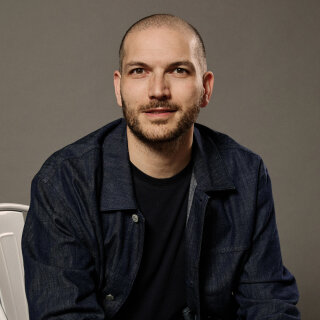
To celebrate the new collaboration, Mark Tungate sat down with Dina Green, UK Creative Festival CEO, to talk about the awards, the festival, its influential Careers Fair – and the life-changing Creative Foundation.

There’s far more to the Creative Circle than prizes. As well as celebrating UK creativity, it’s genuinely giving something back to the industry. Here’s a lightly edited version of a conversation between Mark Tungate, editorial director and Epica Awards jury moderator, and Dina Green, founder and CEO of the UK Creative Festival.
The Creative Circle has a long history. Could you tell me how it began?
Dina: The Creative Circle was founded in 1945 to celebrate outstanding creative work in advertising. So we just celebrated our 81st awards ceremony! Over the years it’s expanded beyond advertising to include marketing, film, production, design, illustration, packaging and gaming. But it remains focused on recognising the best of British creativity.
How else has the organisation evolved in recent years?
Dina: About 15 years ago my husband Jeremy Green took over running the Circle and set out to revitalise it. I got involved, initially as a side hustle, because I come from an events and experience background. We saw we had a lot of love from the community and that awards entries were growing. But while the awards celebrated great work, we wanted to help create opportunities for the next generation. And that’s why Jeremy set up our charity, the Creative Circle Foundation. Today, 10% of our turnover goes directly to the Foundation, which helps young people from underrepresented backgrounds enter the creative industries through training, internships and financial assistance.
So that’s become a major part of the festival as well?
Dina: Absolutely. We also launched the Careers Fair alongside the festival here in Margate. The idea is to bring students and young creatives into the same space as agencies and industry leaders, so the serendipity happens. More than 800 young people attended this year. This is our sixth year, so for the first time we’re seeing people come back to tell us they found jobs or launched careers through contacts they made there. It’s really quite tear-jerking stuff. As I say to the team: we don’t save lives, but we do change them.
We wanted to help create opportunities for the next generation.
There are many creative awards around the world. What makes the Creative Circle different? Apart from being based in the cool seaside town of Margate, of course.
Dina: First, we’re unapologetically focused on British creativity. And then our social purpose is central to everything we do. The awards don’t simply recognise excellence, they help talented young people enter the industry. We also try to keep the awards affordable, and for many creatives it’s the first major award they ever win. That makes them particularly meaningful. Our Gold of Gold winner – basically the Grand Prix – told me this year that winning was the highlight of their career!
See all the Creative Circle winners here.
Beyond the awards themselves, you mentioned that the festival also explores wider issues affecting the industry?
Dina: Throughout the year we hold Creative Town Halls, including an annual event at the Turner Contemporary gallery here, which is a lovely space. This year’s panel brought together Rory Sutherland, Lorraine Cox of Creative Estuary, local studio A+C Animation and regeneration experts to discuss how creative businesses can help revitalise regional economies.
The ambition is to encourage more agencies to establish hubs along the Thames Estuary, creating opportunities for local talent while offering experienced staff an attractive alternative to London. Places where they can walk their dogs on the beach, bring up their kids by the sea. Can you imagine if a big network set up shop here? Then it wouldn’t have to spend loads of money on a massive building in London.
The UK has always punched above its weight in terms of creativity, don’t you think?
Dina: At my speech to open the festival, I talked about the fact that our industry makes a £123 billion contribution to the UK economy. We’ve grown four and a half times faster than the UK economy over the past few years. And the creative industry is the biggest and fastest growing UK export. Creatives sometimes don’t realise that they’re not just doing great creative work, they’re making a huge contribution to the economy. They need to stand up and recognise that.
Finally, from an Epica perspective, our jury is made up entirely of journalists. What do you think they bring to judging creative work?
Dina: I think journalists offer a valuable independent perspective. They’re informed observers rather than competitors, so they’re less influenced by agency rivalries. We love discussion at the Creative Circle, but we do ask people to leave the room if they’ve been involved in the work. For me, journalists approach the work more like knowledgeable consumers.
The Epica Awards have entered into a partnership with the Creative Circle Awards. Under the informal agreement, Creative Circle Gold and Grand Prix winners will get a second entry to Epica for free – and all Creative Circle winners will receive a €200 discount from the end of the Early Bird period on September 1.